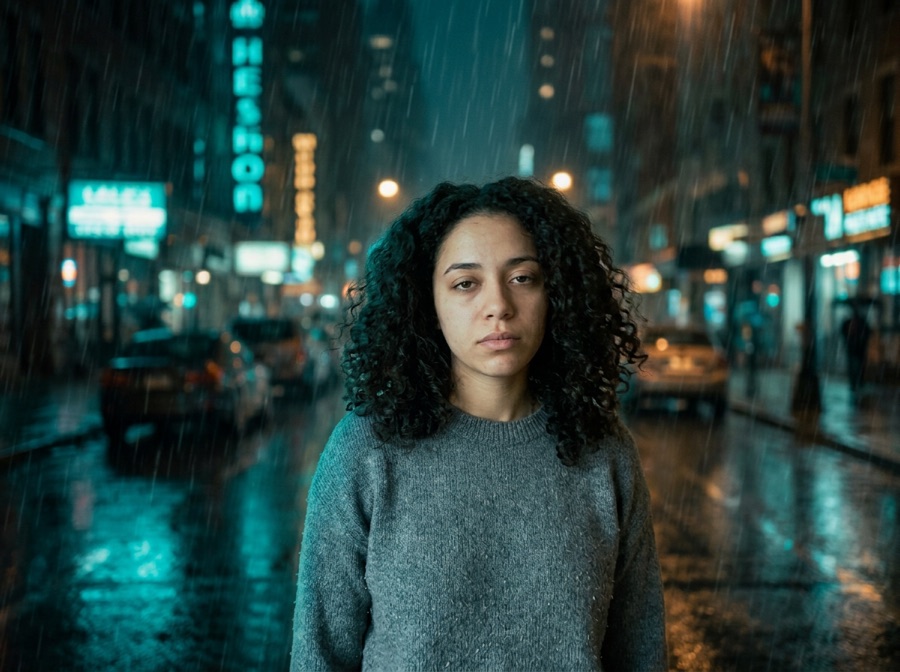
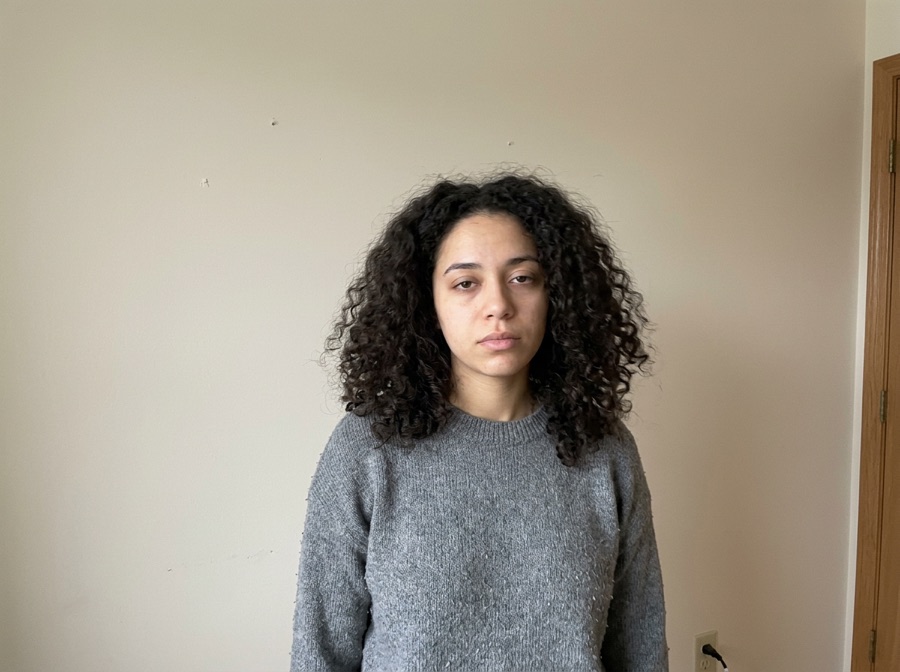
Profile pictures
Make a version of your selfie for Instagram, TikTok or Discord.
What changed in Google's Nano Banana 2.1, prompts that show it off, and an editor to try the same edits. This page currently runs Nano Banana 2 — we'll switch to 2.1 here as soon as it's available to us.
No photo handy? Try a sample
Pick one direction. Hold Frame will protect the important parts automatically.
✦ 1 free result as a guest · failed generations never count
Inputs are AI-generated or our own product photos. Outputs came from this page's editor, which currently runs Nano Banana 2, not 2.1.
Most img2img tools give you one abstract “strength” slider. We turn it into decisions a human actually makes.
Locked items become explicit model instructions — and a region mask when you paint one. The AI regenerates the whole image using your photo as the reference, so compare locked details with the original before you publish.
One tap per intent. Each chip compiles into a structured instruction with the right negative constraints.
Light touch: tone, light, small edits. Routed to precise editing models.
The default. Obvious change with stable identity and layout.
Big reimagining. Structure loosens — fine details may drift, on purpose.
Drop any JPG, PNG or WebP. We recognize portraits, products, sketches and interiors, and pre-lock what usually matters for that kind of image.
Toggle what to keep, tap what to change, pick Subtle, Balanced or Creative. No denoising values, no seed numbers, no model menus.
Slide before/after, download free with no added visible watermark, then keep editing the result with plain language — no re-upload needed.
Tap any template — it configures keep, change and strength, then scrolls you back to the studio.
Nano Banana 2.1 is Google's newest Flash-tier image model. Below: what changed, prompts that work, and an editor to try the same edits — currently running Nano Banana 2.
Nano Banana 2.1 is Google's image generation and editing model (official model code gemini-nano-banana-2.1), listed as stable in Google's Gemini API docs on October 6, 2026. Google describes it as an update to Nano Banana 2 with better image quality and realism at 1K, 2K and 4K, sharper text and infographic layouts, up to 14 reference images and adjustable thinking levels. You can use it in the Gemini app and in AI Mode in Google Search. On this page you can try the same kinds of edits online — they currently run on Nano Banana 2 (Gemini 3.1 Flash Image), not 2.1; the result label says which model made it. People also search for it as nano banana 2.1 AI, nanobanana 2.1, nanobanana21, nano banana2.1, nano banana 2 1, nano banana 2.1 free, nano banana 2.1 online, nano banana 2.1 prompts.
Facts checked October 10, 2026.
| Free to try | First standard (about 1K) result free as a guest — no sign-up, no credit card, no app download. Failed generations don't count. |
|---|---|
| After the free result | 5 credits per standard image. One-time packs: $6 for 50 credits (10 images) or $12 for 125. Plans: $9/month for 100, $19/month for 250; credits carry over. |
| Watermark | No visible watermark is added. The model provider's invisible provenance mark (SynthID) is not removed. |
| Original pixels kept? | For background changes, yes: with "Keep subject pixels exactly" (on by default for product photos, one tick for people) the original product or person is cut out in your browser and pasted back pixel-for-pixel; only the background is AI — same price. Other edits are regenerated by the image model (Google Gemini 3.1 Flash Image) with your photo as the reference, so compare locked details. |
| Best for | Quick, controlled edits from one photo when you want to try several directions before committing. |
| Not the right tool for | Pixel-exact compositing (use layer masks in Photoshop) or editing dozens of images in one batch. |
Make a version of your selfie for Instagram, TikTok or Discord.
Post the before/after — the side-by-side is what makes the trend work.
With permission, make versions of your friends for a group chat or invite.
A sharp, well-lit selfie or waist-up photo works best. One person per photo.
Tap a style or write your own. Balanced keeps you recognizable; Creative goes further.
If the face drifts, lower the strength and keep Face locked.
Copy one as a starting point, then change only the details that matter to your image.
Use these checks before increasing change strength or adding more instructions.
ByteDance's video model: keep a clip's motion, change the look.
Turn your image into the look of a moving clip.
Original product pixels, new AI background.
Krea 3 release status, what's confirmed, and how to try AI edits now.
Your images and results are never public. No gallery, no indexable links.
Anonymous uploads and results are wiped within 24 hours, automatically.
We don't use your uploads to train models. Not opt-out — it just doesn't happen.
One click removes the source and every result. Download links die with it.
5 credits per successful standard 1K image — including background changes with "Keep subject pixels exactly". Two more takes cost up to 10 credits. Failed images are refunded. One-time packs need no account to pay; new accounts get 5 free credits once.
Compare all credit plans and usage costs
Loading prices…
Subscriptions renew monthly and add credits after each successful payment. Packs are one-time purchases, available with or without a subscription. Unused credits carry over and remain after cancellation. No automatic pack purchases.
No “100% accurate” promises. Here's the truth, and the workaround.
Google's image generation and editing model with the official model code gemini-nano-banana-2.1. Google's API docs call it an update to Nano Banana 2 (Gemini 3.1 Flash Image) and the more efficient counterpart to Nano Banana Pro.
Not yet. The editor here currently runs Nano Banana 2 (Gemini 3.1 Flash Image). We'll switch this page to 2.1 when it's available to us and update this answer.
According to Google: better visual quality and realism at 1K, 2K and 4K, fixed tiling artifacts in very wide or tall images, better text rendering and infographic layouts, up to 14 reference images, and adjustable thinking levels.
Google offers it in the Gemini app and in AI Mode in Google Search (look for the banana icon). Developers can call gemini-nano-banana-2.1 through the Gemini API.
Say what to change and what to keep: 'turn this into a 1970s film still, keep the face and pose', 'make a product infographic with three short labels, keep the jar unchanged', 'redesign this room in Japandi style, keep walls and windows'. The same prompts work in the editor on this page.
For background changes, tick Keep subject pixels exactly: the original product or person is cut out in your browser and pasted back pixel-for-pixel, and the model paints only the background.
Hold Frame adds no visible watermark. Google embeds its invisible SynthID mark in images from its models.
No. Uploads are processed to make the result and are not used to train models.
Each tool pre-configures the right locks and presets for the task.
Line art to realistic or stylized renders. Outline & composition locked.
New scene behind you, with your face kept as the reference. Face, body & pose locked.
Studio shots and ad variants. Original product reference, new settings. Review labels and details.
Anime and manga styles with your face and pose intact.
Restyle a room without moving a wall. Layout, doors & windows locked.
Four takes on the same idea. Subject & composition preserved.
Casual selfie to LinkedIn-ready headshot. Your face, locked.
Stage empty listings in seconds. Walls & windows never move.
Copy controlled prompts for lighting, palette, season, background and style.
Recreate practical before-and-after directions without losing the source.
Ecommerce and campaign photo workflows built from one real product.
Replace only the set while product, logo and packaging stay consistent.